Dry ice blasting - industrial cleaning with nothing left to sweep up
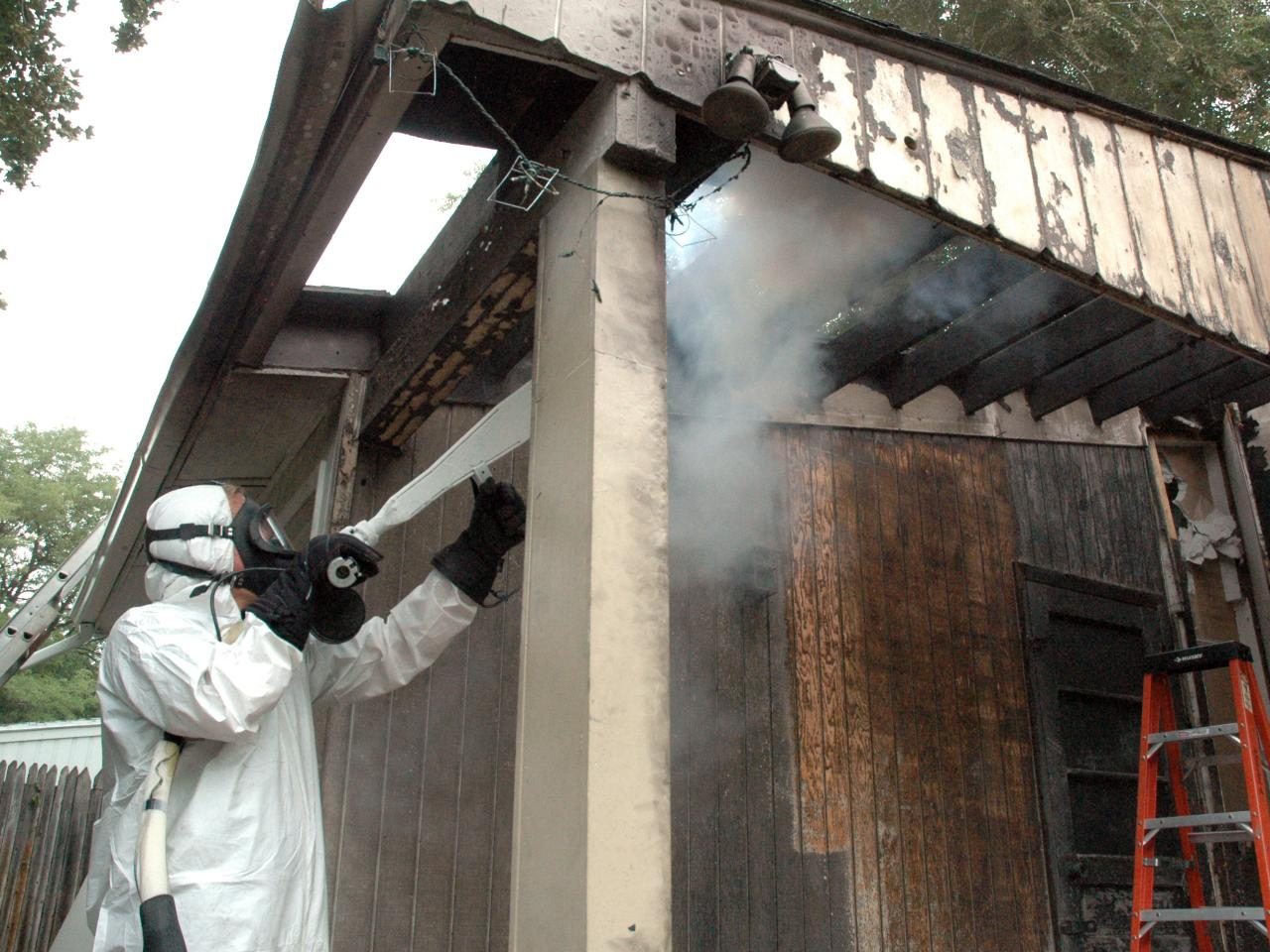
Dry ice pellets hit the surface at high speed, freeze the contaminant and lift it off as the CO₂ vanishes - no water, no sand, no chemicals, no secondary waste. SES uses it where other methods are too wet, too abrasive or too slow.
24/7 emergency line021 639 196
- Zero secondary waste
- Non-abrasive, safe around electrics
- Kills bacteria on contact
What dry ice blasting is used for
Where water, grit or chemicals would damage the surface, stop production or create a second waste stream.
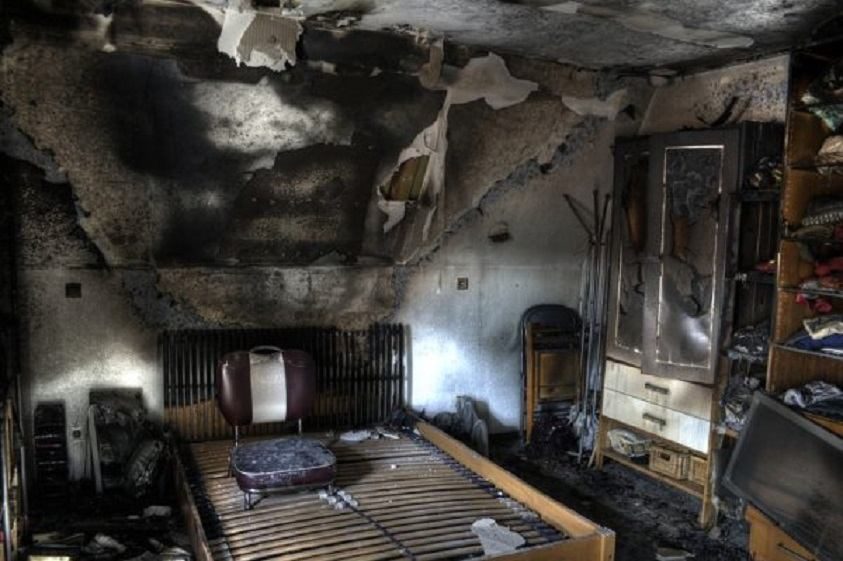
Fire and smoke damage
Removes soot and char from timber, steel and brick without water or abrasion.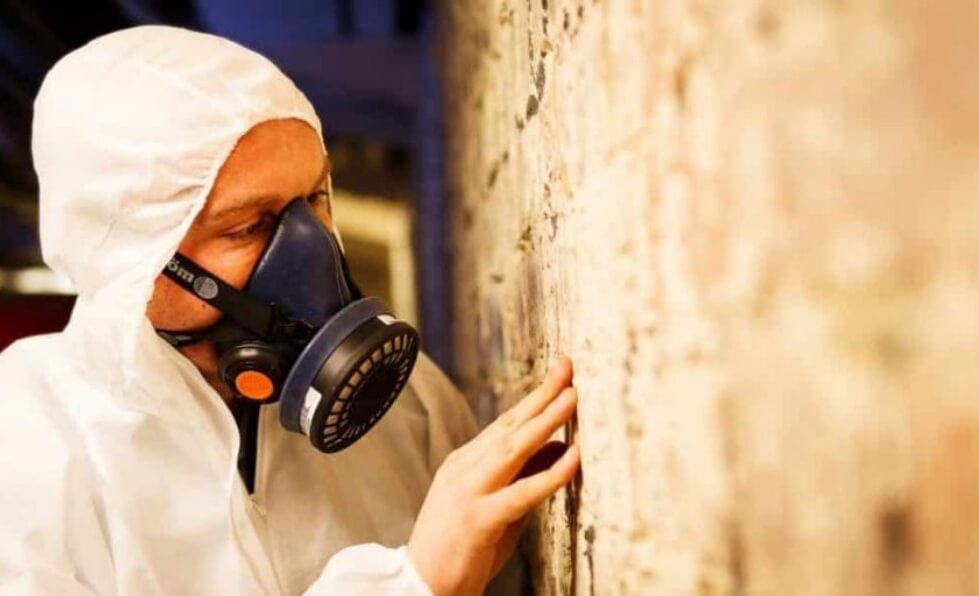
Black mould on timber and framing
Extreme cold kills spores and cleans without wetting the structure.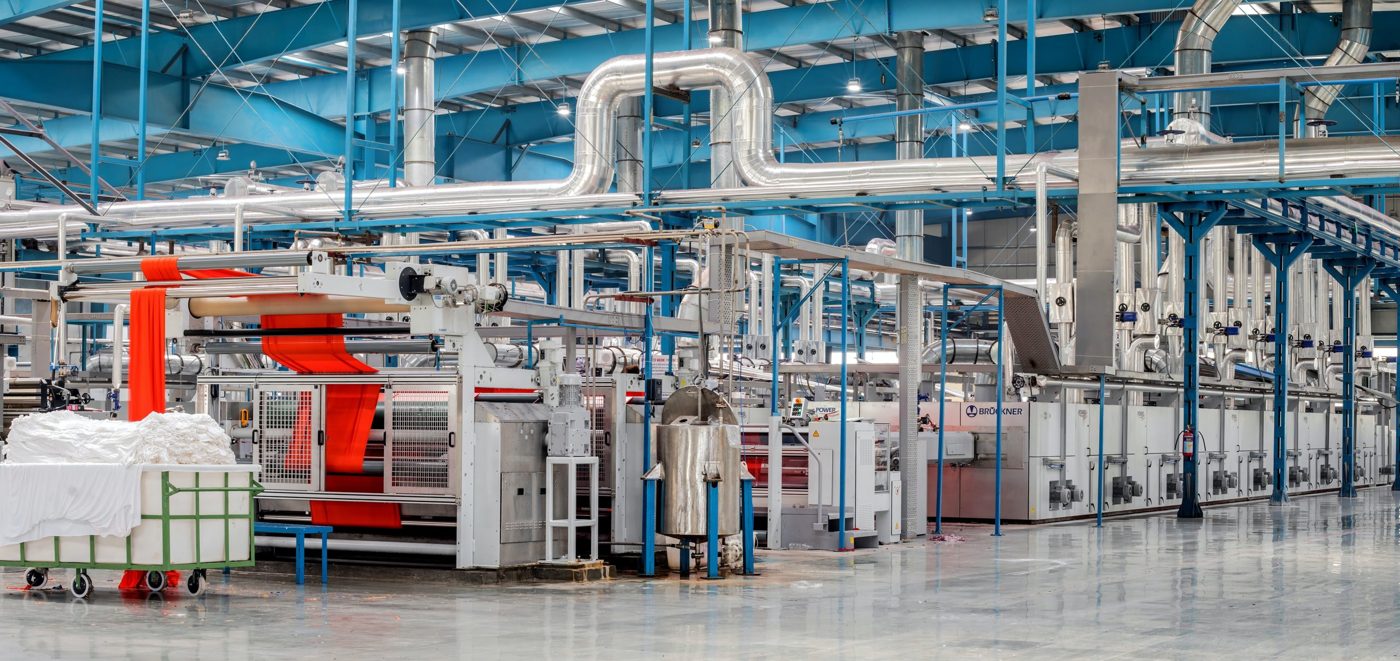
Food and beverage plant
Sanitises production equipment in place - no chemicals, no wash-down.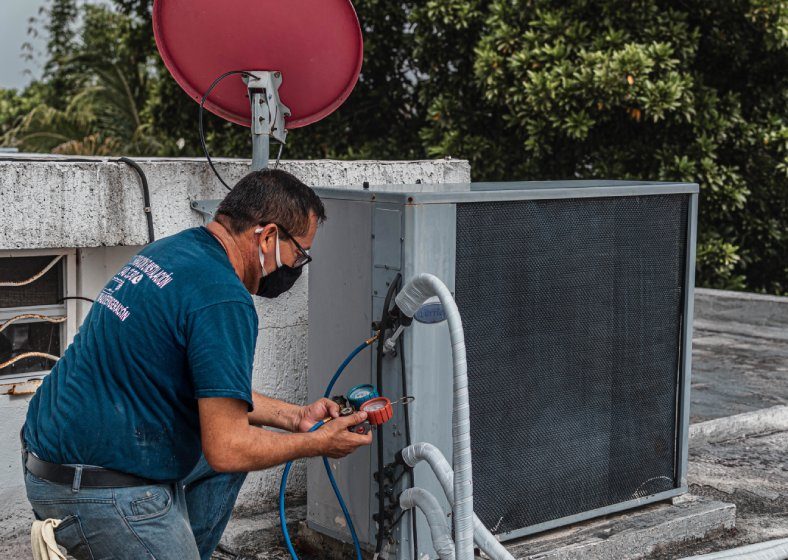
Generators, switchgear and electrical plant
Non-conductive, dry cleaning of live-environment equipment.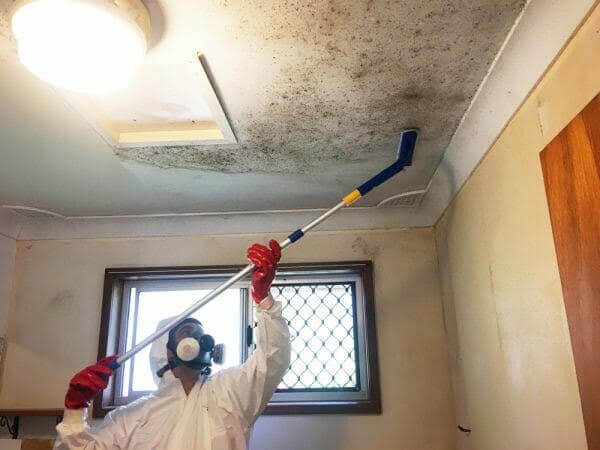
Lead paint and coatings
Lifts coatings with minimal dust; pairs with our lead-paint removal.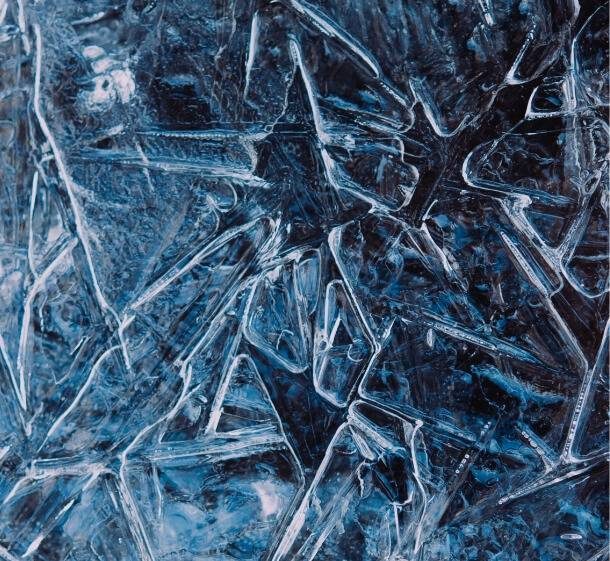
Heritage and delicate surfaces
Cleans brick, stone and timber without etching.
How a dry ice job runs
- Step 01
Test patch
We trial a small area to set pellet size and pressure for the surface.
- Step 02
Prepare
Ventilation for CO₂, containment where the contaminant is hazardous (soot, lead, mould).
- Step 03
Blast
Contaminant lifted and collected; surface left dry and ready for coating or use.
- Step 04
Clear
Residue vacuumed, hazardous waste bagged, area handed back same day.
What dry ice blasting costs
Priced per day or half-day including operator, rig and dry ice, typically NZD [x,xxx] per day; small jobs quoted fixed.
Faster than manual methods on soot, mould and coatings, and no drying time or waste-water disposal.
Why choose SES for dry ice blasting
What comes off the surface - soot, mould, lead - is usually hazardous. SES holds the licences to handle it, so dry ice is one step in the job rather than a separate contractor.
- Certified operators - trained and experienced with the equipment, with the pressure set for the surface, not the schedule.
- Licensed for the contaminant - fire residue, mould, lead and asbestos are hazardous; SES holds the licences to handle what comes off.
- Fits inside a bigger job - fire restoration, mould remediation and strip-outs where dry ice is one step, not a separate contractor.
Dry ice blasting across Auckland and the North Island
Auckland-based crews, with regular work in Hamilton and the Waikato, Whangarei and Northland, Napier-Hastings and Wellington.
Dry ice blasting FAQs
Straight answers to the questions procurement teams, facilities managers and property owners ask us most. If yours is not here, call the office or send us the scope and a division lead will answer it directly.
Will it damage the surface?
No - dry ice is non-abrasive. We set pellet size and pressure per surface and test a patch first.
Is it safe to use indoors?
Yes with ventilation; CO₂ sublimates to gas so we monitor levels in enclosed spaces.
Is it safe on electrical equipment?
Yes - the process is dry and non-conductive, which is why it is used on generators and switchgear.
How does it compare with sandblasting or water-blasting?
No grit, no water, no drying time and no secondary waste; slower on heavy rust but far cleaner on soot, mould, grease and coatings.
Can you do a small job?
Yes - half-day minimum, or as part of a fire, mould or lead-paint job.
More from SES Specialist Cleaning
One licensed crew for every kind of contamination, 24/7.
-
SES Specialist Cleaning
Mould removal & meth decontamination
Source-fix, removal and clearance testing to NZS 8510 - not just a wipe-down. Find out more -
 SES Specialist Cleaning
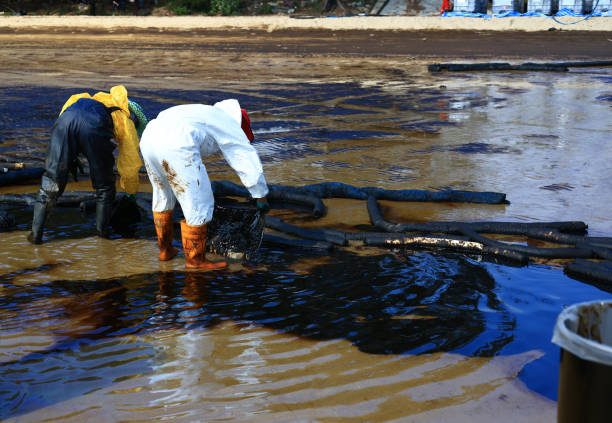
Flood & water damage restoration
Extraction, drying, sanitising and reinstatement, with insurer liaison. Find out more -
 SES Specialist Cleaning
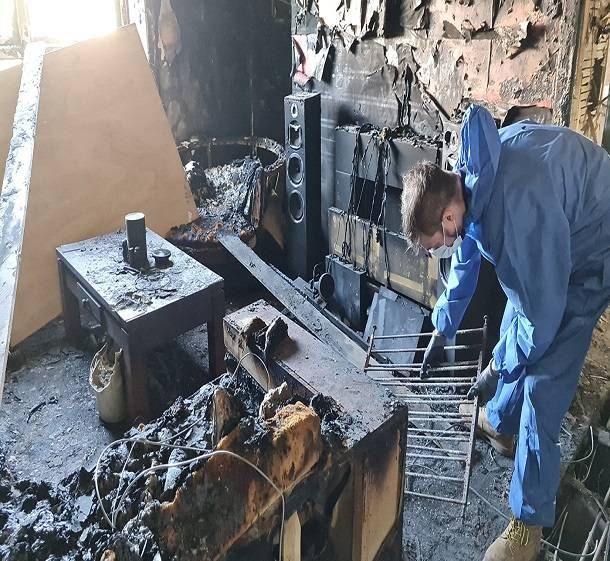
Fire & smoke damage cleaning
Soot, odour and residue removal, contents cleaning, make-safe. Find out more -
 SES Specialist Cleaning
Crime scene & biohazard cleaning
Discreet trauma, unattended-death and biohazard clean-up, 24/7. Find out more -
 SES Specialist Cleaning
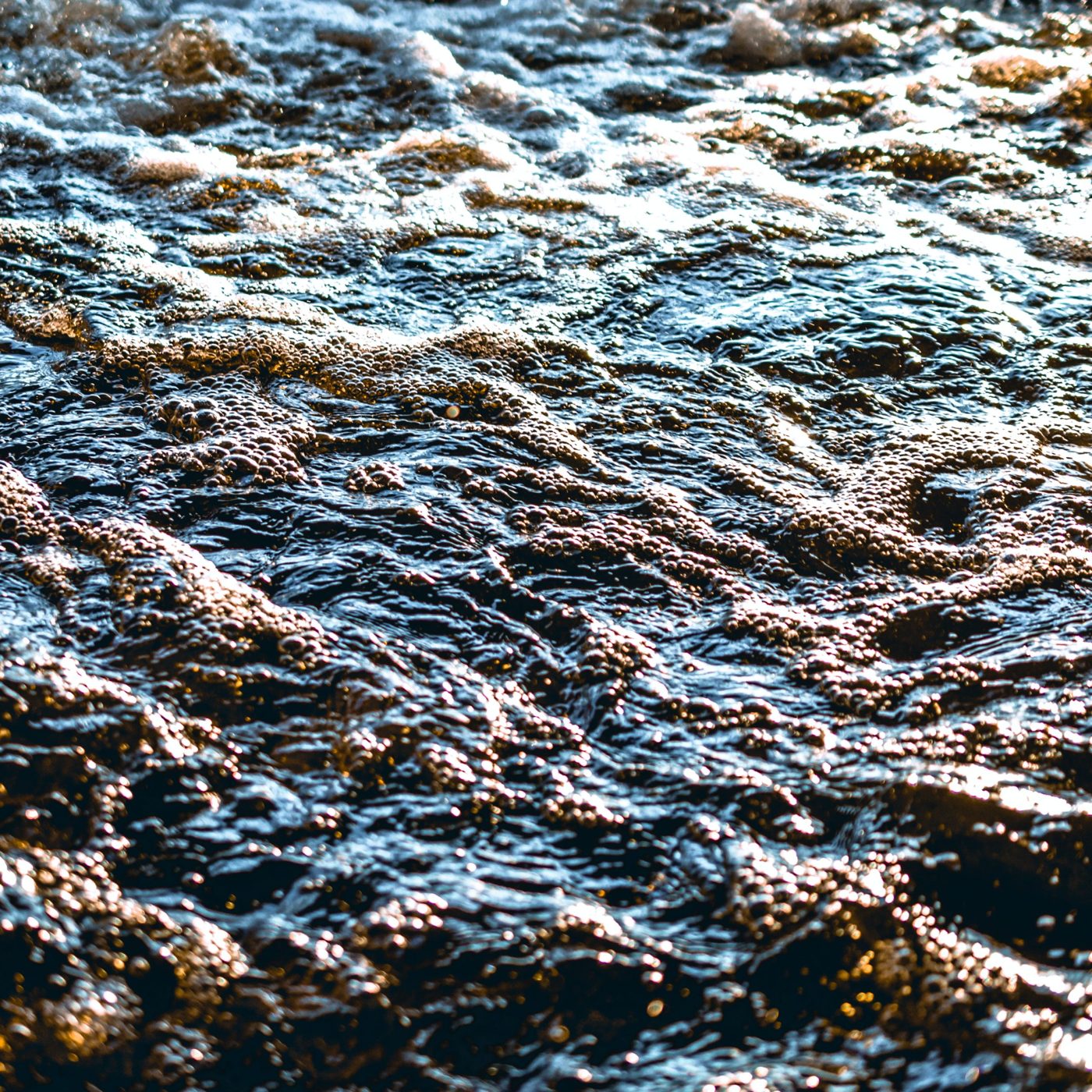
Oil spill response
Fuel, oil and chemical spill containment, clean-up and soil remediation. Find out more -
 SES Specialist Cleaning
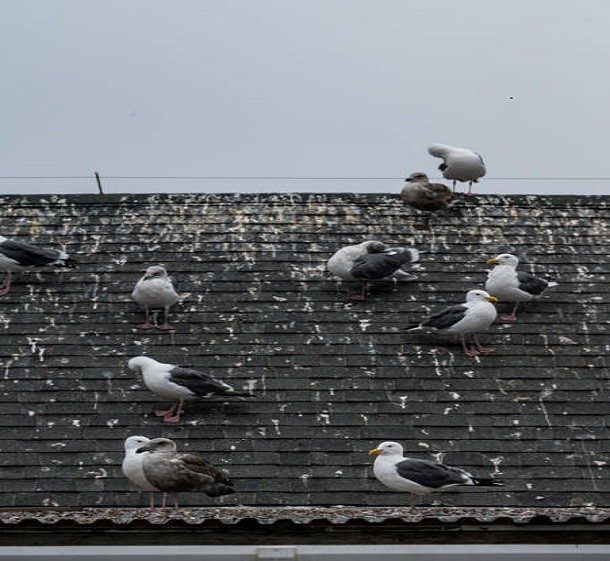
Bird excrement removal
Guano removal and decontamination of roofs, plant and interiors. Find out more
Tell us the surface and the contaminant - we will confirm dry ice is the right tool
A photo of the surface and what is on it is enough for a day-rate quote or a fixed price for a small job.