Oil and chemical spill response - contained, cleaned, documented
Diesel from a ruptured tank, hydraulic oil across a yard, paint or chemicals in a stormwater drain: SES stops the spread, cleans it up, removes contaminated soil and gives you the disposal records council and your insurer will ask for.
24/7 emergency line021 639 196
- 24/7 response
- Contaminated soil removal
- Disposal manifests supplied
Spills we respond to
Works for transport yards, farms, workshops, marinas, schools and homes with heating-oil tanks.
-
Fuel and heating-oil tanks
Ruptured or overfilled diesel and heating-oil tanks, including soil beneath them. 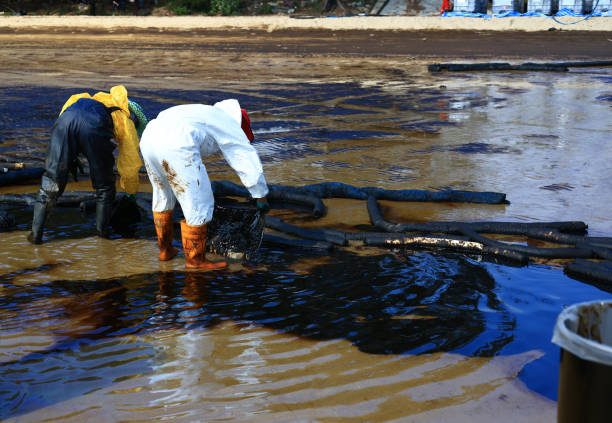
Vehicle and plant leaks
Hydraulic oil, fuel and coolant across yards, workshops and roads.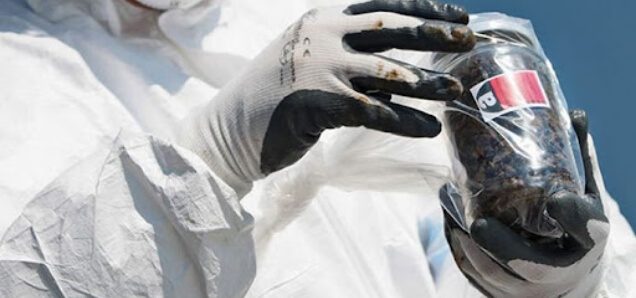
Chemical stores
Paint, solvent and chemical releases contained and recovered under the right controls.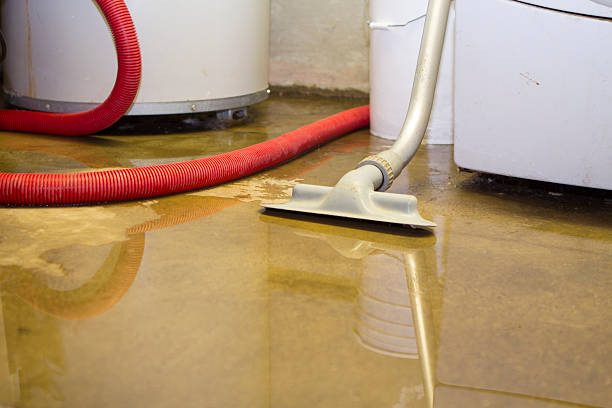
Stormwater drains
Drains protected, product recovered and sampling where regional council requires it.
How a spill response runs
- Step 01
Stop and contain
Source isolated, booms and absorbents deployed, drains protected.
- Step 02
Recover and clean
Free product recovered, surfaces degreased or pressure-cleaned, waste collected.
- Step 03
Soil and water
Contaminated soil excavated and removed to a licensed facility; sampling where regional council requires it.
- Step 04
Report
Disposal manifests, photos and a spill report for council, insurer or your environmental file.
Why SES for spill clean-up
The first hour decides whether a spill reaches the drain. We attend 24/7 and finish with the paperwork council will ask for.
- Fast containment - the first hour decides whether a spill reaches the drain; we attend 24/7.
- Licensed disposal - contaminated soil and absorbents go to licensed facilities with manifests you keep.
- Related hazards covered - asbestos, lead and biohazard on the same site handled by the same group.
Oil spill FAQs
Straight answers to the questions procurement teams, facilities managers and property owners ask us most. If yours is not here, call the office or send us the scope and a division lead will answer it directly.
Do I have to report a spill?
Spills reaching land, drains or water generally must be reported to the regional council; we can advise and provide the documentation.
What should I do before you arrive?
Stop the source if safe, keep people and vehicles away, and block drains with anything absorbent. Do not hose it down.
Can you remove contaminated soil?
Yes - excavation, removal to a licensed facility and validation sampling where required.
Is spill clean-up covered by insurance?
Often, under business or contents policies. We provide the report and manifests your insurer needs.
Which regions do you cover?
Auckland 24/7; Waikato, Northland, Hawke’s Bay and Wellington same or next day.
More from SES Specialist Cleaning
One licensed crew for every kind of contamination, 24/7.
-
 SES Specialist Cleaning
Mould removal & meth decontamination
Source-fix, removal and clearance testing to NZS 8510 - not just a wipe-down. Find out more -
SES Specialist Cleaning
Flood & water damage restoration
Extraction, drying, sanitising and reinstatement, with insurer liaison. Find out more -
 SES Specialist Cleaning
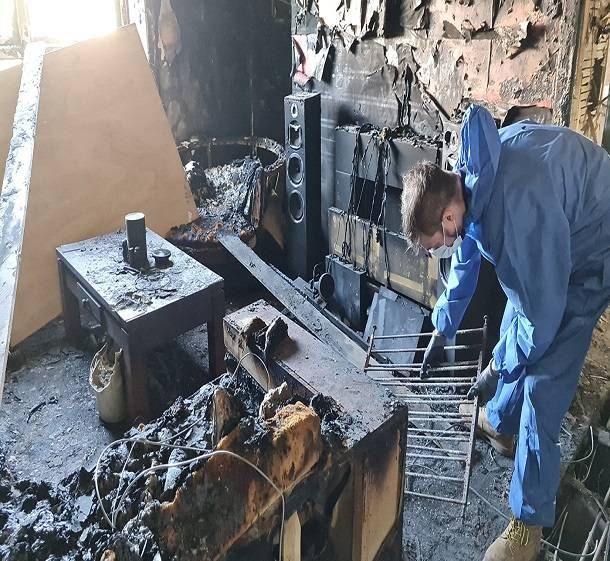
Fire & smoke damage cleaning
Soot, odour and residue removal, contents cleaning, make-safe. Find out more -
 SES Specialist Cleaning
Crime scene & biohazard cleaning
Discreet trauma, unattended-death and biohazard clean-up, 24/7. Find out more -
 SES Specialist Cleaning
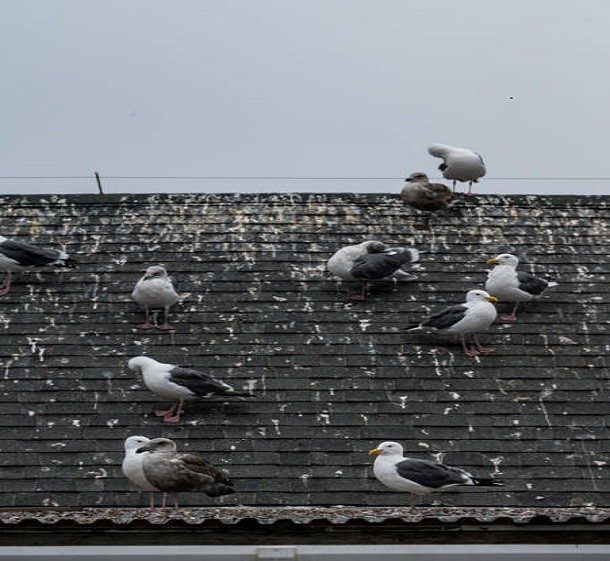
Bird excrement removal
Guano removal and decontamination of roofs, plant and interiors. Find out more -
 SES Specialist Cleaning
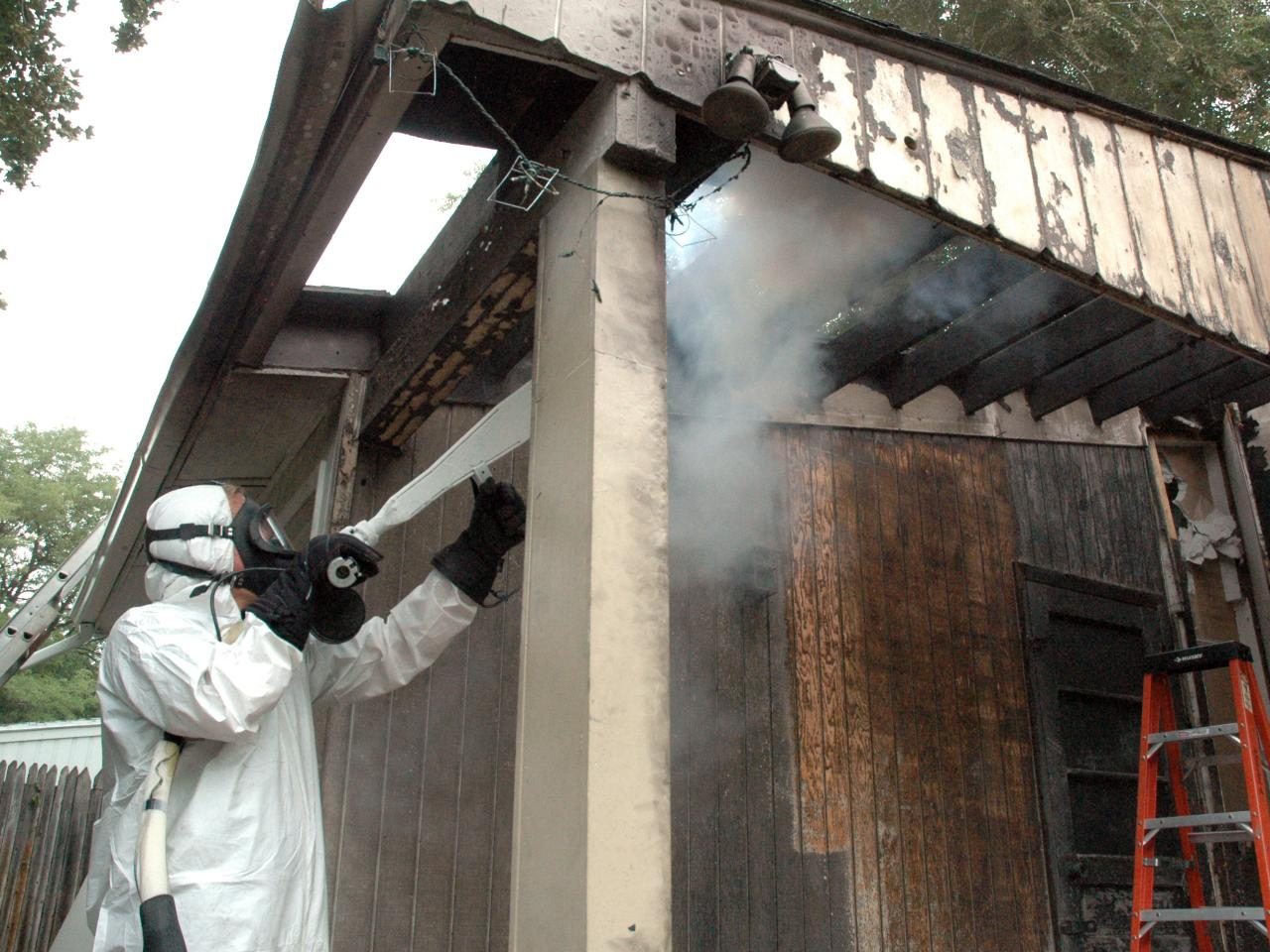
Dry ice blasting
Zero-waste industrial cleaning safe around electrics. Find out more
Active spill? Call now. Otherwise send photos of the area.
Tell us what spilled, roughly how much and whether it has reached a drain - a technician will advise on the phone and attend.