Deconstruction: take the building apart, not to the tip
SES dismantles buildings in reverse order of construction, salvaging native timber, steel, joinery and fittings and crushing concrete for reuse - with a diversion report that stands up in a tender or a Green Star submission.
- Up to [80-90]% diverted from landfill
- Diversion report on every job
- Salvage credited against your price
What we recover and where it goes
Materials are sorted into streams as they come off the building, weighed and documented.
Native and framing timber
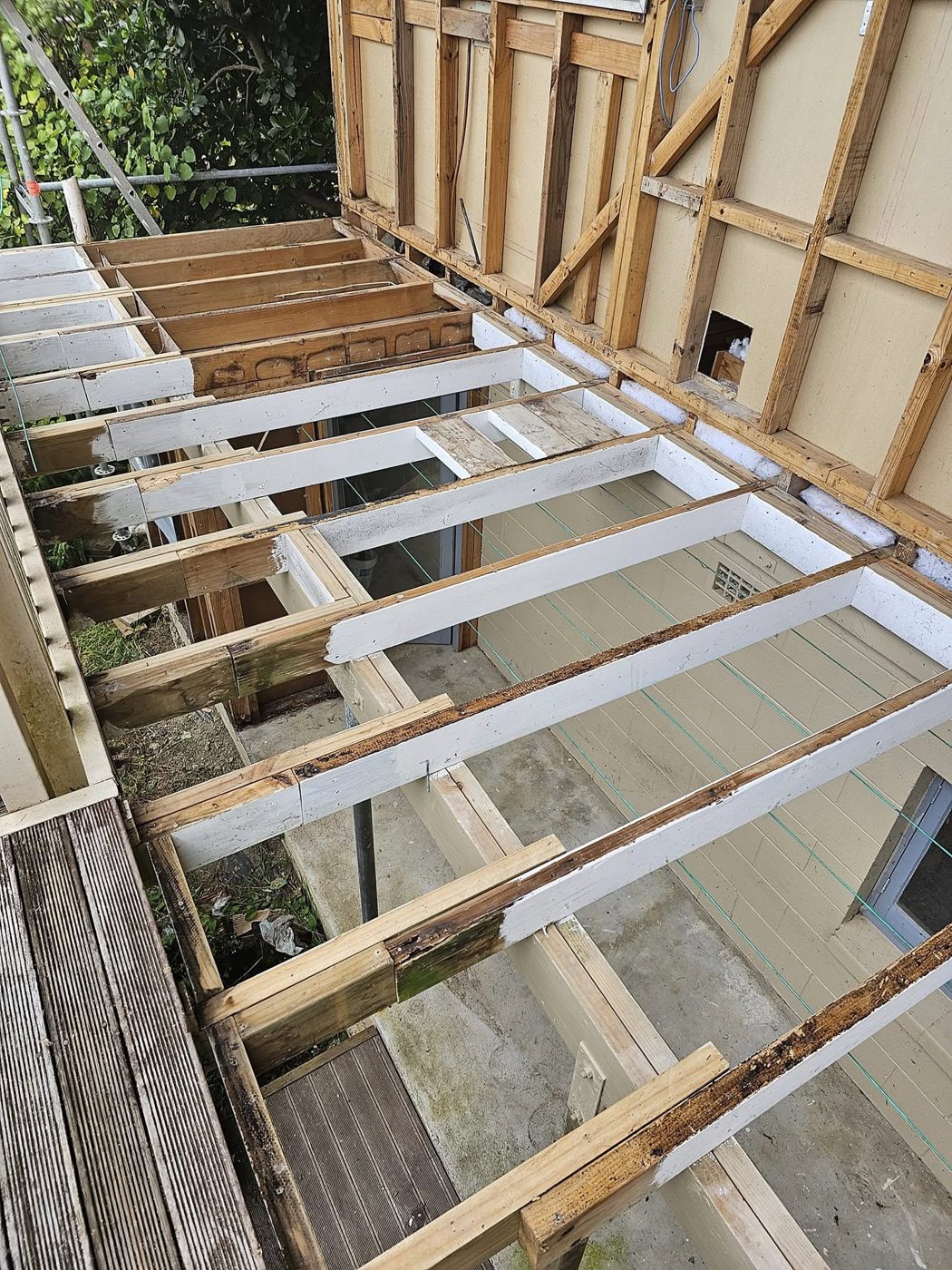
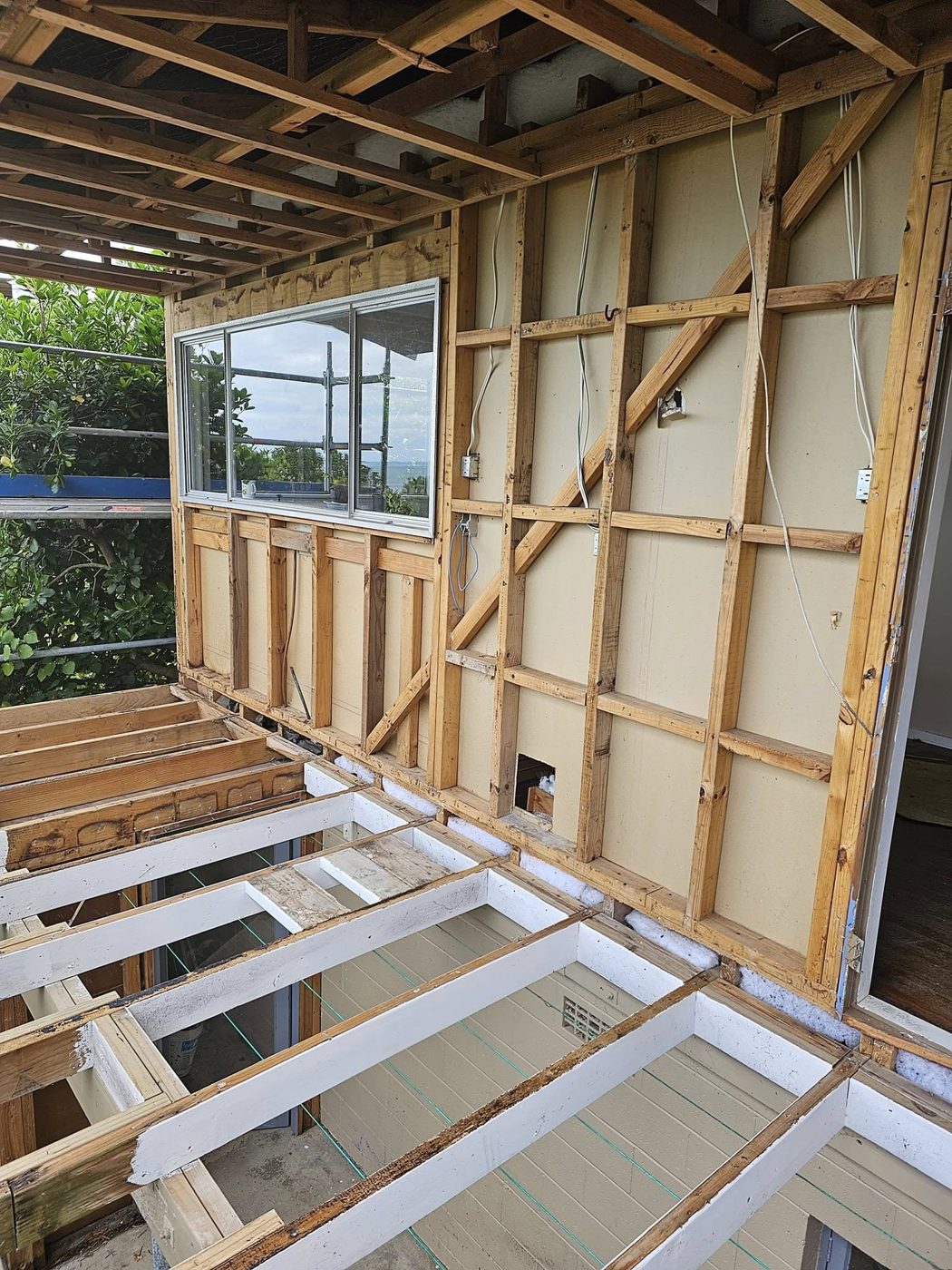
De-nailed, graded and stacked - to timber recyclers, your next build or resale.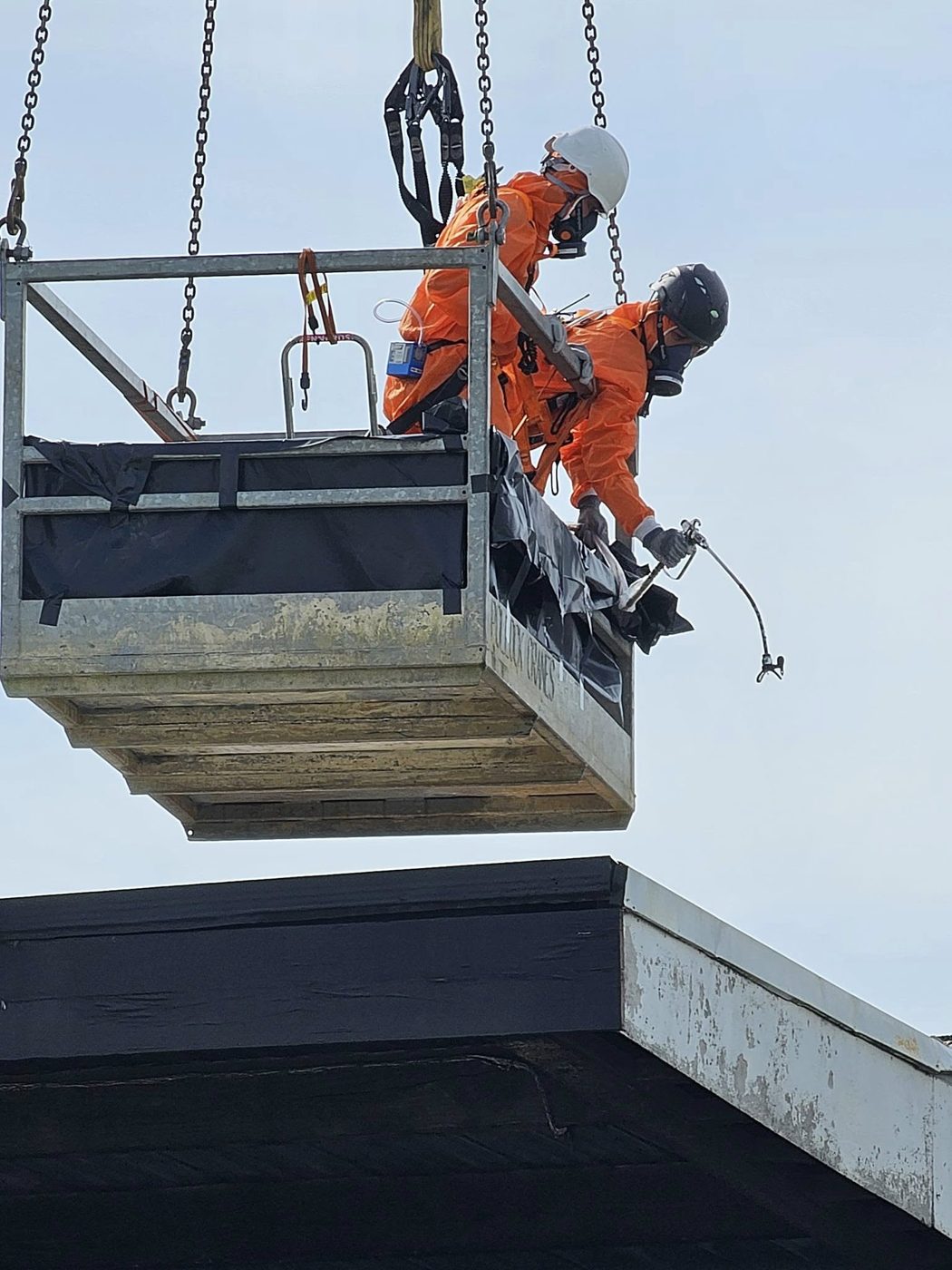
Steel, copper, aluminium, roofing iron
Sorted by grade - to scrap-metal recyclers, with the value credited to you.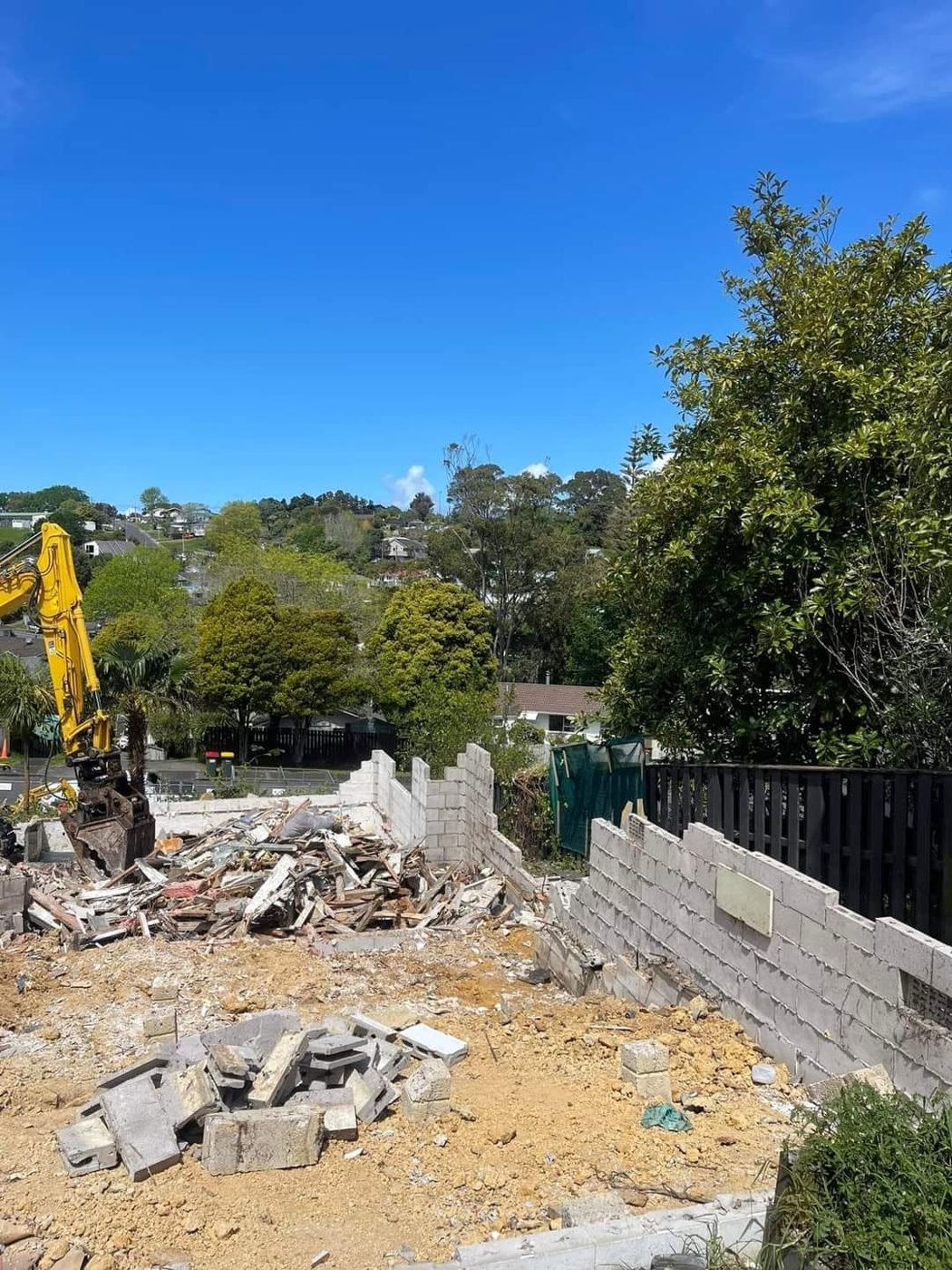
Concrete, brick, masonry
Crushed on site or at a yard - hardfill for your site or aggregate supply.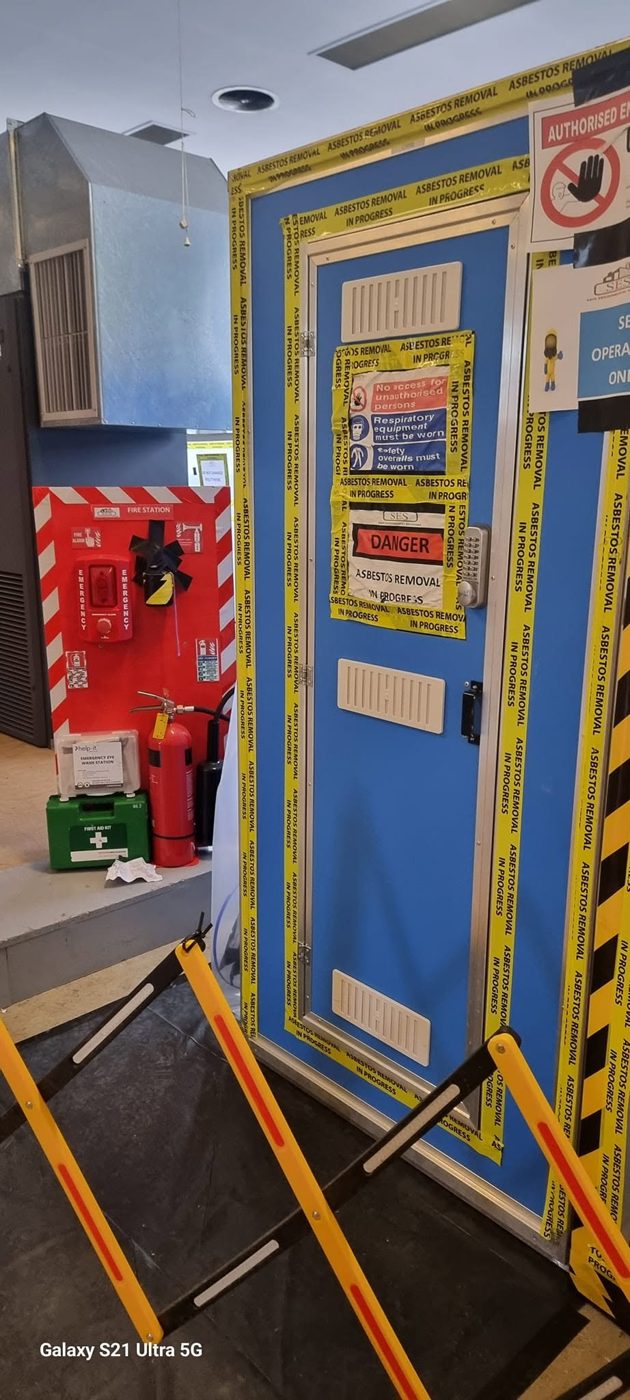
Joinery, doors, fittings, fixtures
Removed intact - to salvage yards, community re-use or retained by you.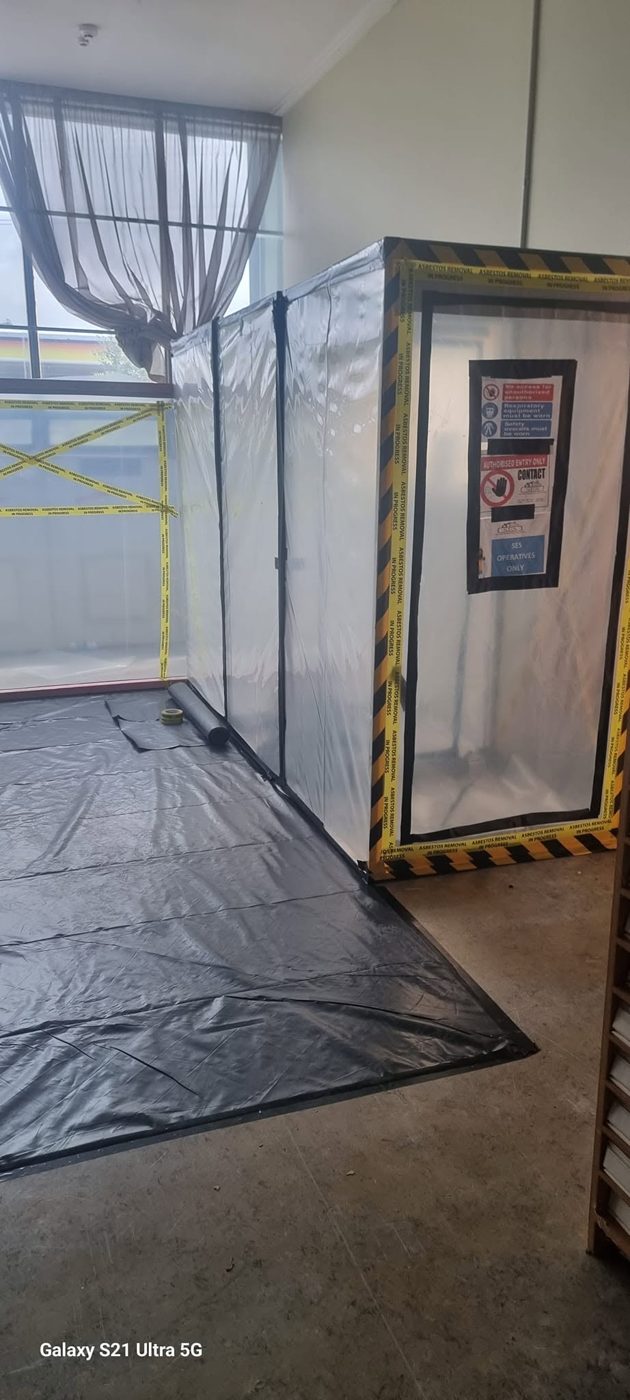
Plasterboard, glass, clean fill
Separated at source - to specialist recyclers rather than landfill.
How deconstruction runs
- Step 01
Pre-demolition audit
We inventory the building’s materials, estimate salvage value and set a diversion target with you.
- Step 02
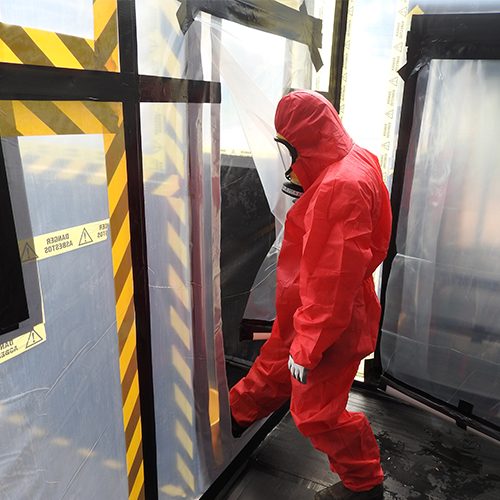
Asbestos and hazardous removal
Licensed removal first, so salvaged materials are clean and certified.
- Step 03
Sequenced dismantling
Fittings, then linings, then roofing, then frame and structure; materials sorted into streams as they come off.
- Step 04
Diversion report
Weights and destinations per stream, with dockets, plus the credit for salvaged materials shown on your final invoice.
What deconstruction costs compared with demolition
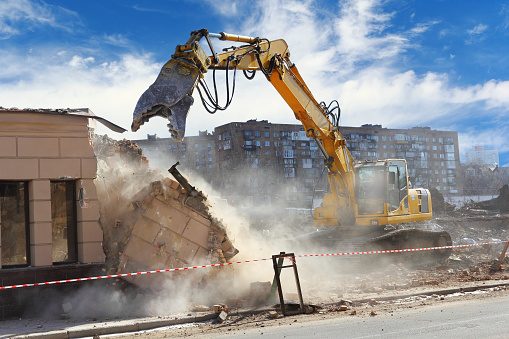
Deconstruction takes longer than mechanical demolition, so labour is higher, but disposal is lower and salvage is credited back. On a typical villa the net cost lands close to standard demolition; on commercial buildings with high steel or timber content it can be cheaper.
We quote both options side by side so you can choose.
Why sustainability-focused clients choose SES
Councils, Health NZ and NZDF score waste diversion in procurement. SES gives you the numbers to score well - and the method statements to prove them.
- Numbers, not claims - every job closes with a weighed diversion report your sustainability manager can file.
- Clean streams - asbestos and lead removed first by our licensed crew, so recovered materials are safe to reuse.
- Tender-ready - waste-minimisation method statements aligned to council and Green Star requirements supplied with the quote.
Deconstruction across Auckland and the North Island
Auckland-based plant and crews, with regular projects in Hamilton and the Waikato, Whangarei, Napier-Hastings and Wellington.
Deconstruction FAQs
Straight answers to the questions procurement teams, facilities managers and property owners ask us most. If yours is not here, call the office or send us the scope and a division lead will answer it directly.
What is the difference between deconstruction and demolition?
Demolition knocks a building down and sorts what it can afterwards. Deconstruction takes it apart in sequence so materials come off clean and reusable. Diversion rates are far higher.
Is eco demolition more expensive?
Labour is higher, disposal is lower and salvage is credited back. For most houses the net cost is similar to standard demolition; we quote both.
How much of a building can be recycled?
Typically [80-90]% by weight for a timber house and more for steel and concrete structures, depending on contamination and condition.
Can I keep materials for my new build?
Yes - native timber, bricks, joinery and crushed concrete are commonly retained on site for the client.
Do you provide a waste diversion report?
Yes, with weights and destinations per material stream and all dockets, suitable for council, Green Star or corporate sustainability reporting.
More from SES Demolition
Interior strip-outs and full building demolition from the same crew, on the same contract.
-
 SES Demolition
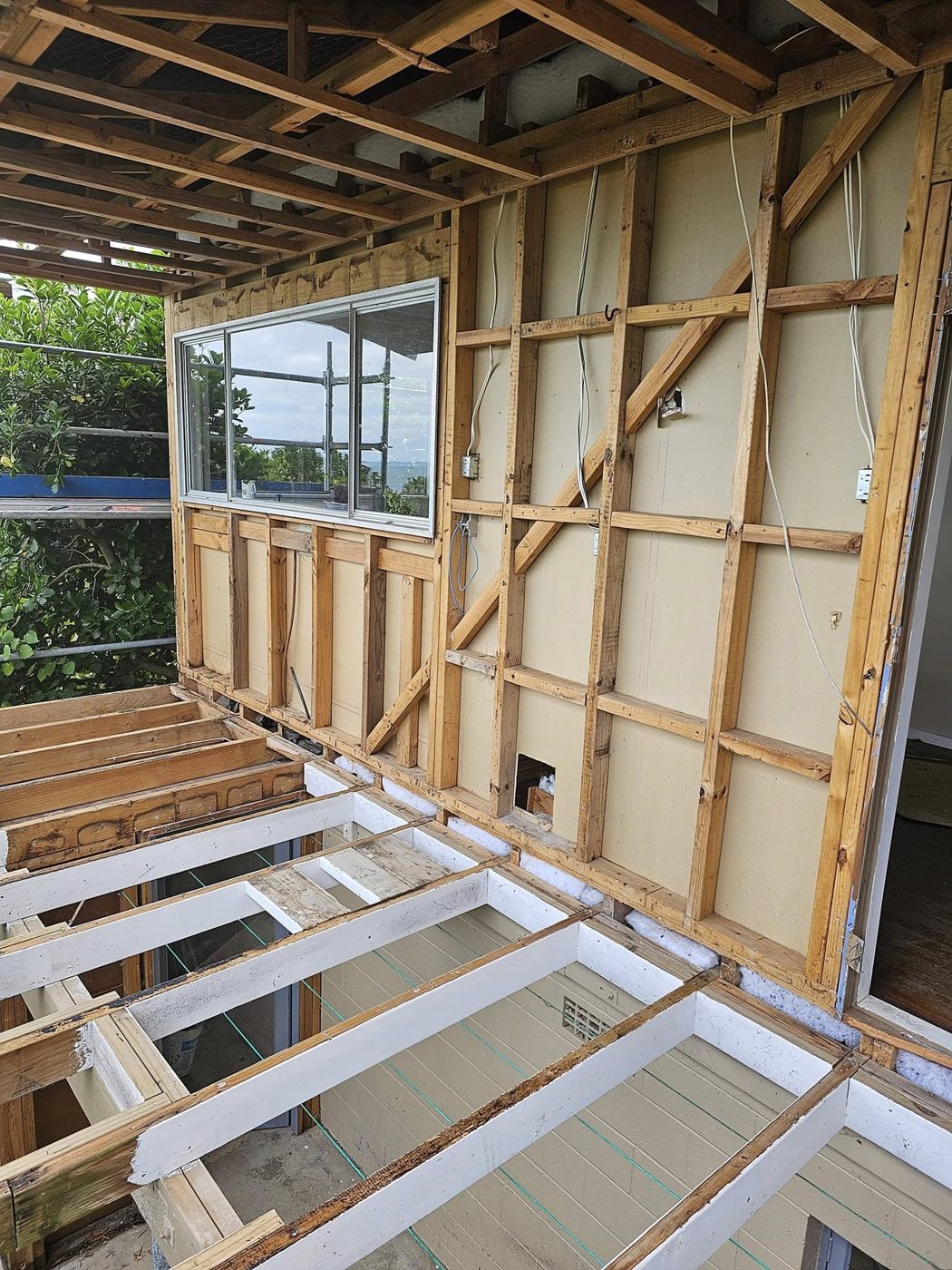
Interior soft-strip
Fit-out removal, ceilings, partitions, services and finishes taken back to the shell - in occupied buildings if needed. Find out more -
SES Demolition
Building demolition
Full structural demolition of houses, commercial and industrial buildings, including foundations and site clearance. Find out more
Want the diversion numbers before you decide? Ask for both quotes.
Send the address and a few photos and we will price deconstruction and standard demolition side by side, with the expected diversion rate for each.