Leak detection, sealing and joint repairs - fix the detail, not the whole roof
Most building leaks come from a failed joint, sealant or penetration, not a failed membrane. SES finds the entry point with moisture and water testing, reseals or re-details it, and warrants the repair - before you spend on a replacement you may not need.
- Leak found before quoting
- Joints, facades, windows, penetrations
- Repairs warranted
Building leak detection
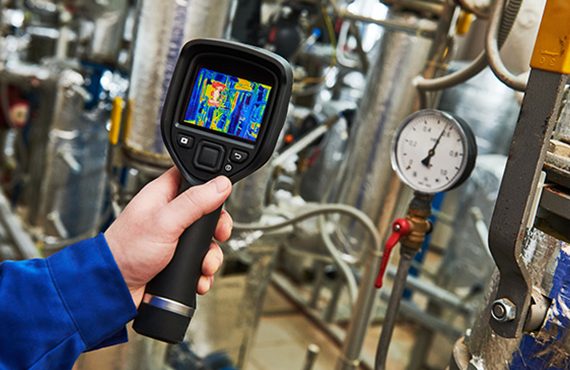
Moisture mapping, thermal imaging, dye and water testing of joints, windows, flashings and penetrations until the entry point is confirmed, with a written report and photos.
Used by body corporates, property managers and homeowners before committing to remedial work - and by SES to make sure the repair we quote is the one that stops the leak.
Sealing and joint repairs we carry out
Targeted repairs where the membrane is sound but a detail has failed.
Expansion and control joint resealing
Carpark decks, podiums, concrete floors and walls, precast panels.
Facade and cladding joint sealing
Precast, curtain wall, plaster and weatherboard junctions.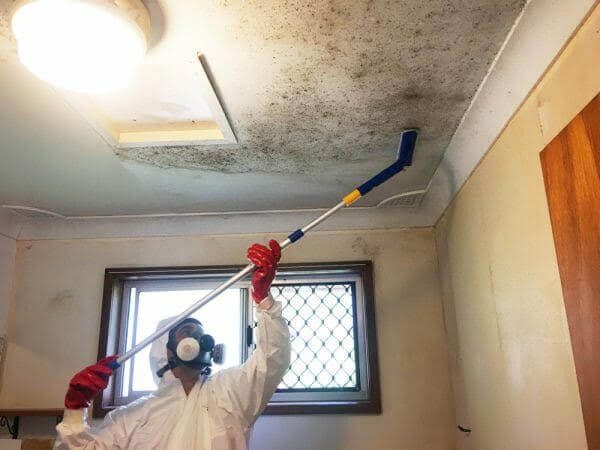
Window and door perimeter sealing
Frames, sills, flashings on commercial and residential buildings.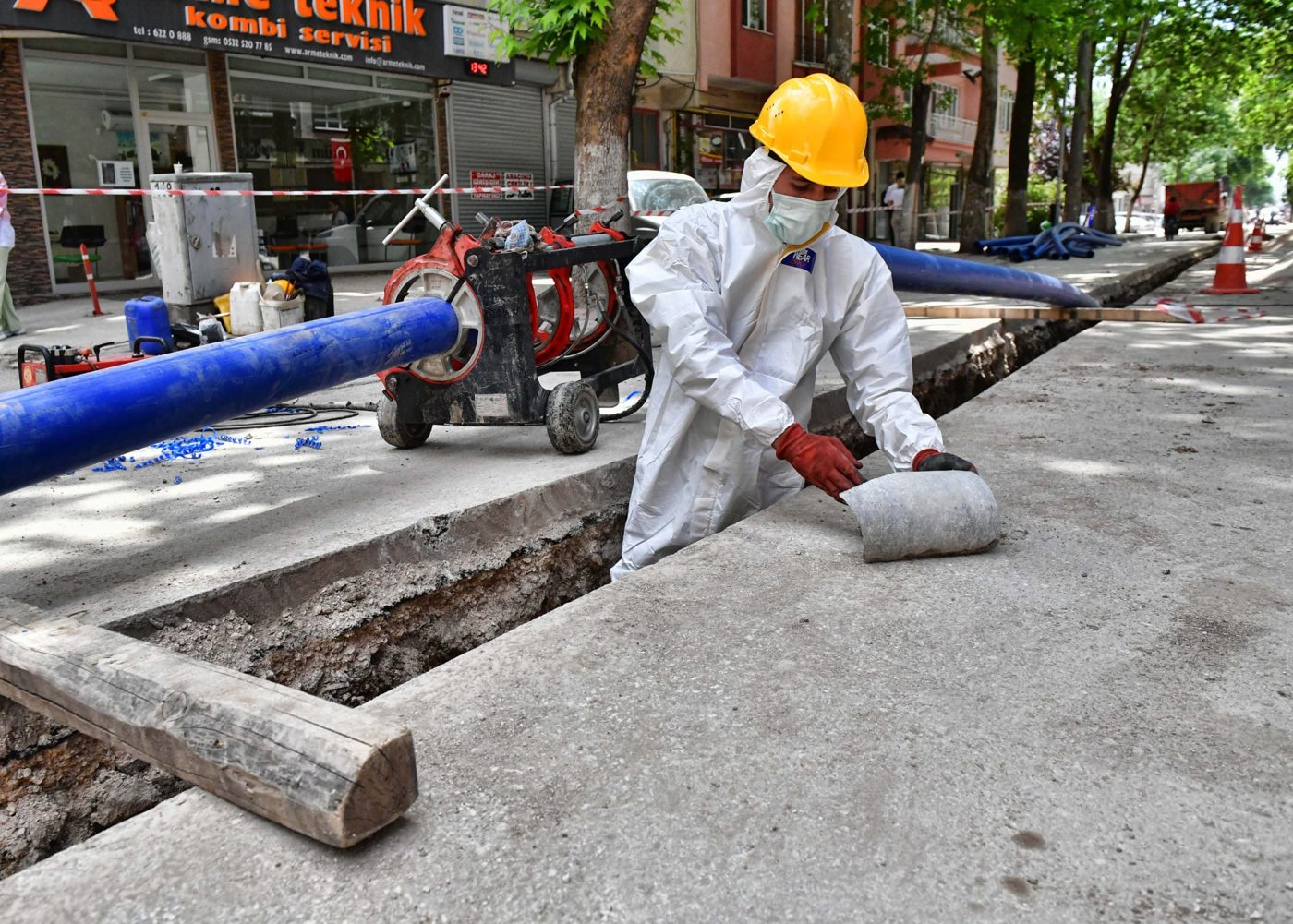
Penetration sealing
Pipes, ducts, cables and fixings through roofs, decks and walls.
Membrane patch and detail repairs
Upstands, outlets and laps on otherwise sound membranes.
Concrete crack injection
Basements, retaining walls and slabs with active water ingress.
How a sealing job runs
- Step 01
Inspect and test
Leak detection to confirm the entry point; existing sealant type and condition recorded.
- Step 02
Fixed quote
Scope, sealant or injection system, access method and warranty stated.
- Step 03
Remove, prepare, reseal
Failed sealant cut out, joints cleaned and primed, backing rod and new sealant applied to the correct depth and profile.
- Step 04
Test and hand back
Water test where practical, photos and warranty issued; interior damage repairs booked if needed.
What sealing and leak detection costs
Leak detection from a fixed inspection fee, credited against the repair if you proceed.
Joint and perimeter resealing is priced per lineal metre by joint size and access; crack injection per metre.
Why owners and body corporates use SES for leaks
We prove where the water comes in before we quote, so the repair is targeted and the cost is small.
- Diagnosis first - we prove where the water comes in before we quote, so the repair is targeted and the cost is small.
- Access sorted - EWP, swing stage and rope-access arrangements for facades and high-level joints.
- The damage handled - mould, wet linings and paint fixed through SES Specialist Cleaning and Property Maintenance.
Leak repairs across Auckland and the North Island
Auckland-based crews, with regular work in Hamilton and the Waikato, Whangarei and Northland, Napier-Hastings and Wellington.
Sealing and leak FAQs
Straight answers to the questions procurement teams, facilities managers and property owners ask us most. If yours is not here, call the office or send us the scope and a division lead will answer it directly.
How do you find where a leak is coming from?
Moisture mapping and thermal imaging locate the wet area; controlled water testing of joints, windows and penetrations confirms the entry point. You get a report with photos.
How long does sealant last?
Good-quality construction sealants last 10-20 years; sun exposure, movement and poor original installation shorten that. Failed sealant is the most common cause of building leaks.
Can you seal a leaking window without replacing it?
Usually yes - perimeter sealing and flashing repairs fix most window leaks. Where the frame or flashing is the problem we tell you.
Is this a leaky-building repair?
Targeted sealing fixes many localised leaks. Systemic weathertightness failure needs a wider remediation plan; our inspection tells you which you have.
Do you work at height?
Yes - EWP, swing stage and rope access for facades, with traffic and pedestrian management where needed.
More from SES Waterproofing
Membrane replacement from the same crew, on the same contract.
Tell us where the water shows up - we will find where it gets in
A photo of the stain or damp patch and the area outside is enough to book a leak inspection.