Lead paint testing and removal - safely, before you sand or repaint
Most New Zealand homes built before 1980 have lead-based paint somewhere. SES tests it, strips it under containment and disposes of it properly, so your renovation does not put lead dust into your home or workplace.
- On-site lead testing
- Contained wet-strip methods
- Same crew as our asbestos work
Where lead paint hides
Lead was not fully removed from New Zealand house paint until 1979 - any layered paint disturbed by sanding, heat-gun stripping or water-blasting is a risk.
Weatherboards
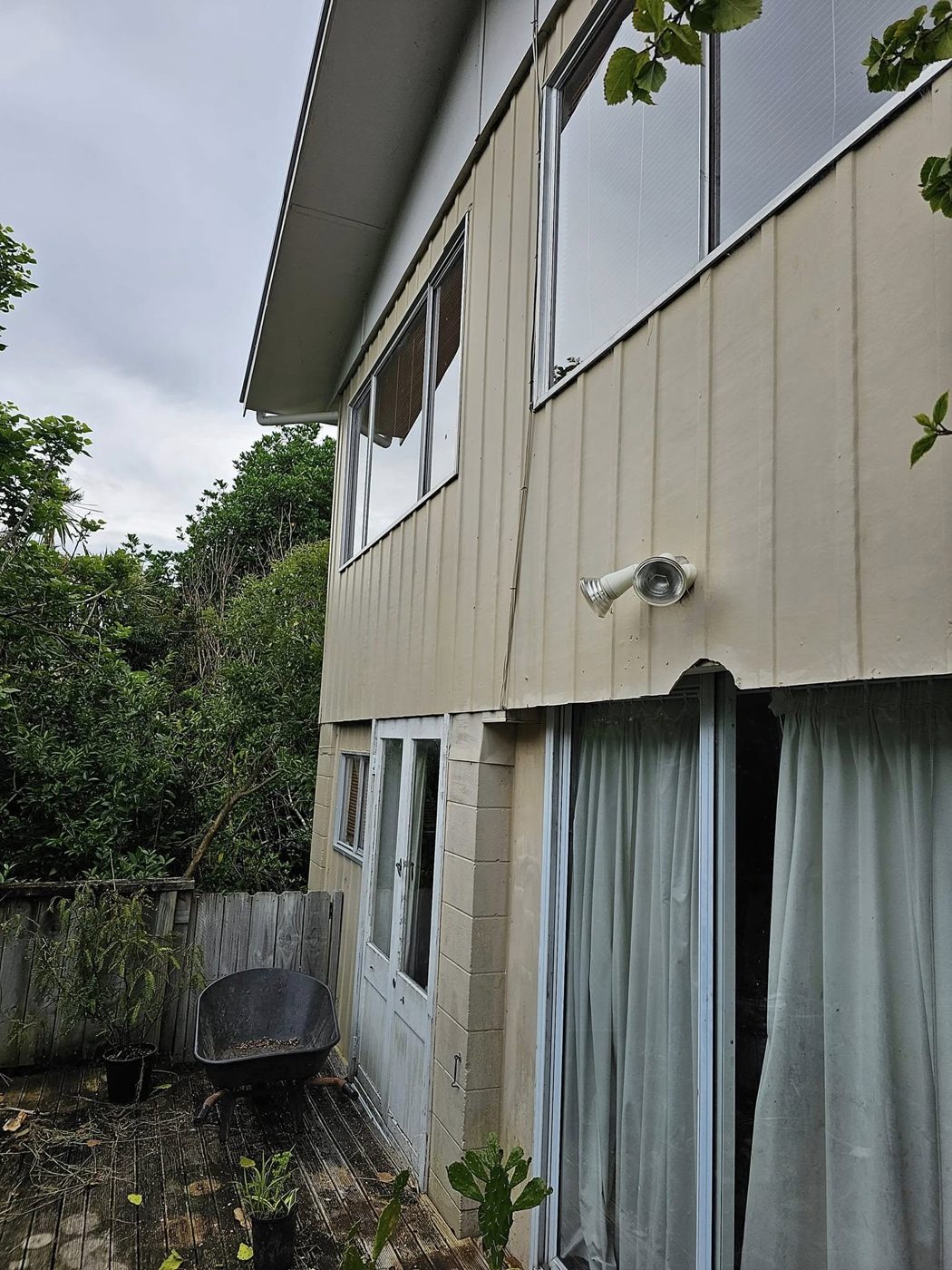
Villas, bungalows and state houses built before 1980, especially where paint is flaking or chalking.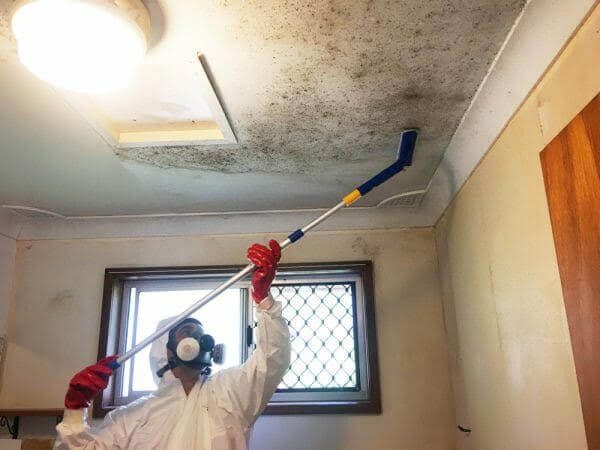
Window sashes and frames
Timber sashes, sills and frames with decades of paint layers.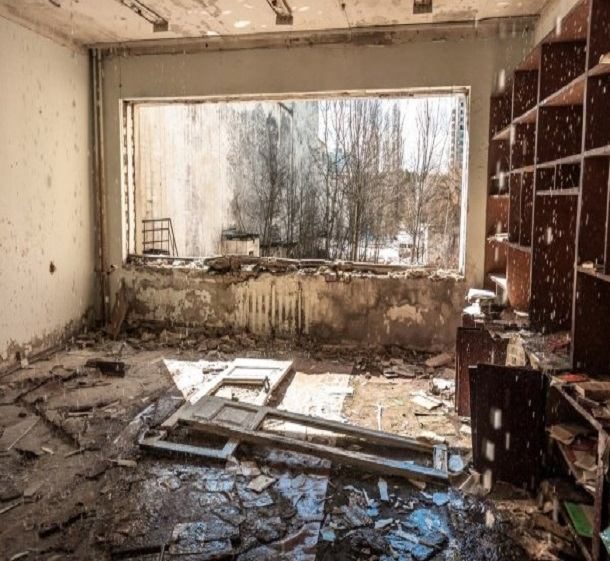
Interior trims
Doors, skirtings, architraves and stair rails in pre-1980 interiors.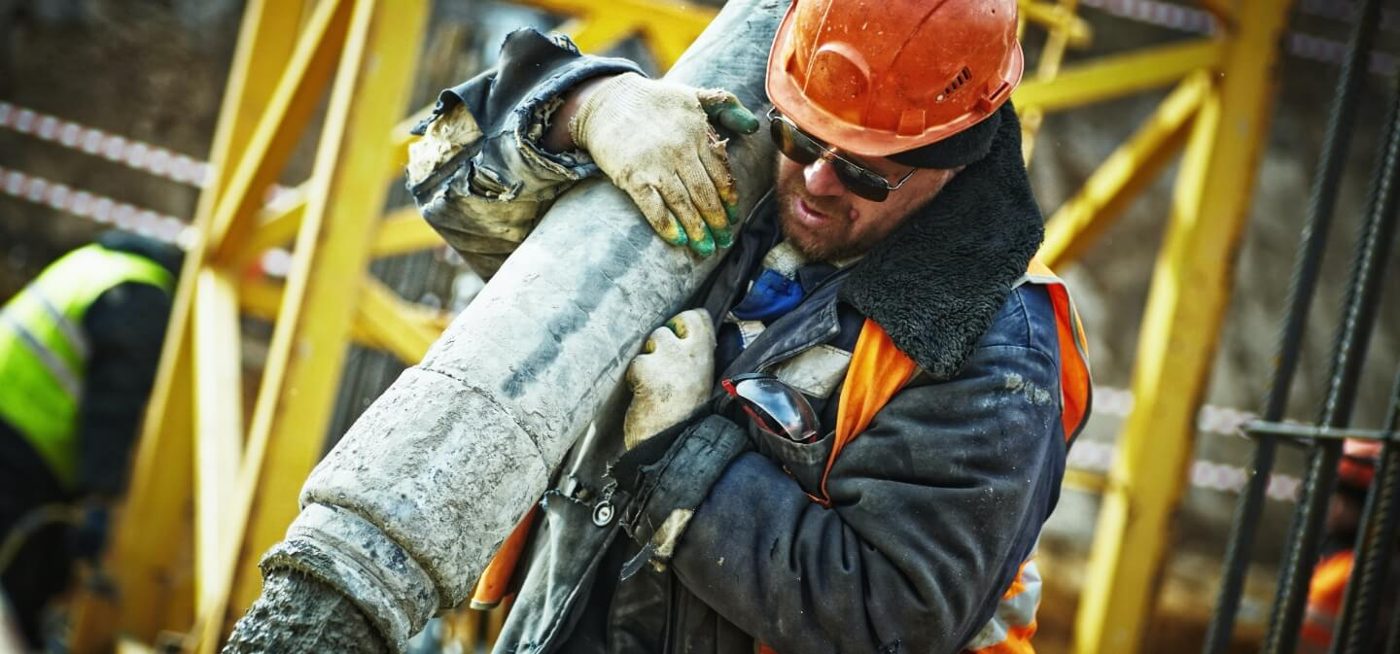
Industrial steelwork
Steel structures, tanks and plant in older industrial sites.
Testing, then removal
- Step 01
Test
On-site swab or XRF screening, with lab confirmation where a result matters for a contract or tenancy.
- Step 02
Contain
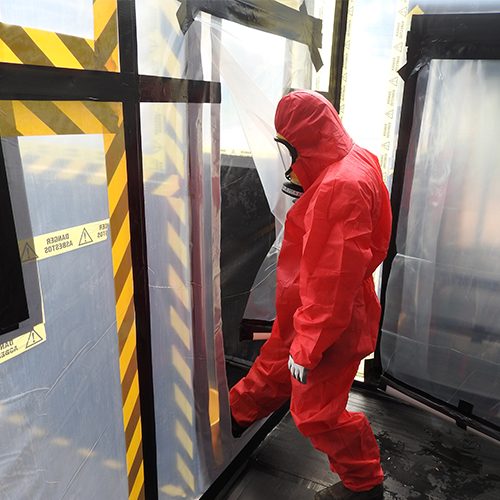
Ground sheets, sealed containment and warning signage; occupants kept out of the work zone.
- Step 03
Wet-strip and collect
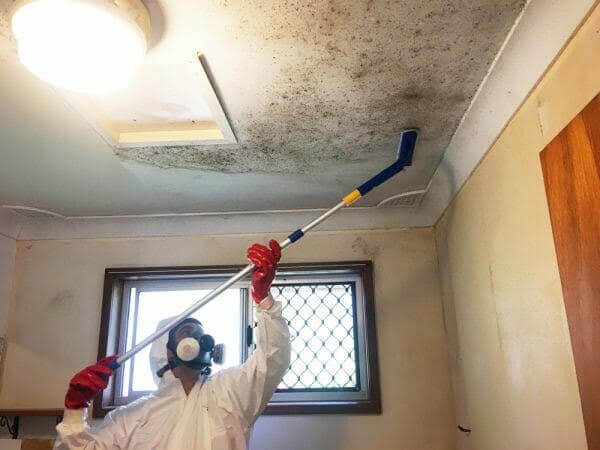
Chemical or wet-scrape methods, no dry sanding or open-flame burning. Waste collected and bagged.
- Step 04
Clean and clear
HEPA vacuum and wet-wipe, lead-dust wipe test if requested, surface ready for the painter.
What lead paint removal costs
Testing starts from a fixed call-out; removal is priced per square metre by surface type and access, typically a few thousand dollars for a villa’s window and door trims and more for full exterior strips.
Every quote is fixed and includes disposal.
Why use SES rather than your painter
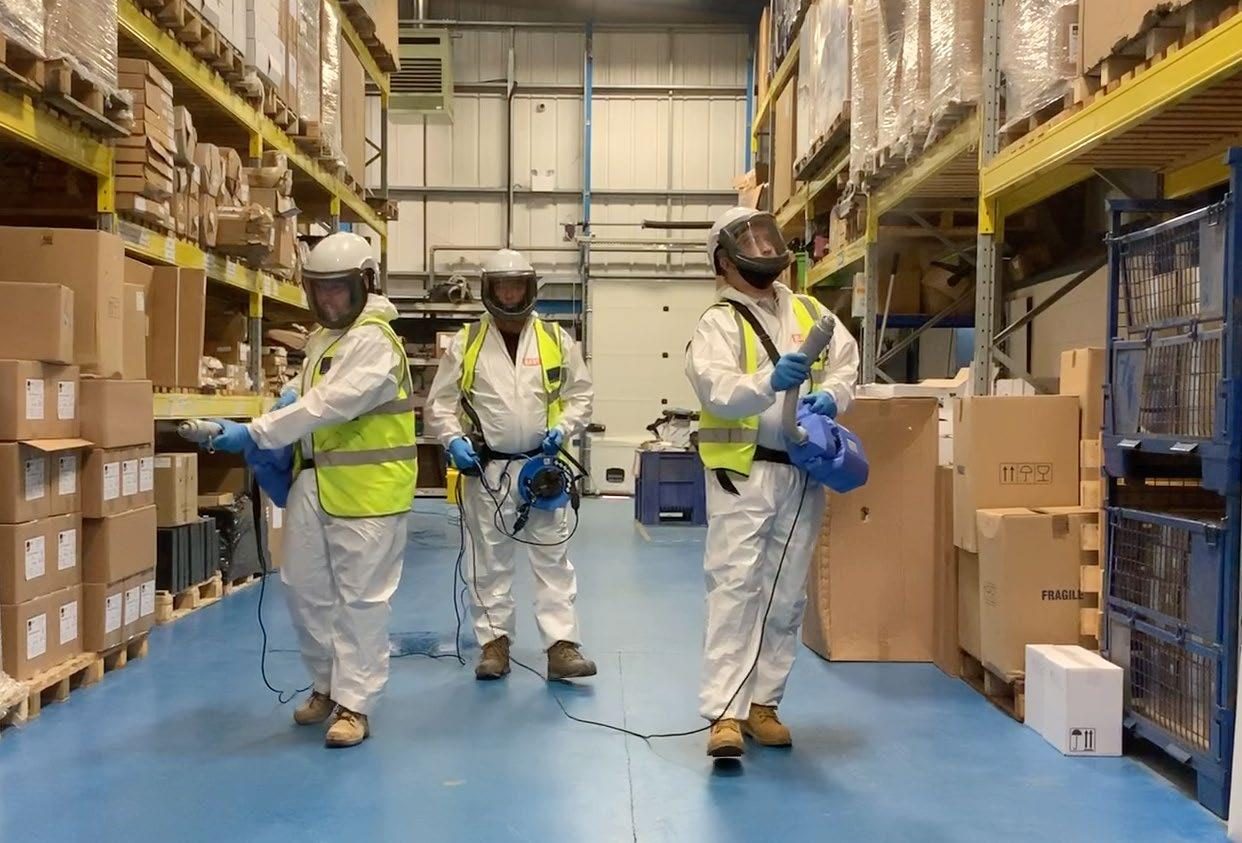
Lead work uses the same containment, respiratory protection and disposal disciplines as asbestos - our crews do it daily.
- Same disciplines as asbestos - containment, respiratory protection and hazardous-waste disposal, every job.
- We test first - so you only pay for removal where lead is actually present.
- Asbestos handled on the same visit - common in pre-1980 soffits and cladding - under the same licence. See asbestos removal.
Lead paint across Auckland and the North Island
Auckland-based crews, with regular work in Hamilton and the Waikato, Whangarei and Northland, Napier-Hastings and Wellington.
Lead paint FAQs
Straight answers to the questions procurement teams, facilities managers and property owners ask us most. If yours is not here, call the office or send us the scope and a division lead will answer it directly.
How do I know if my paint has lead?
Assume it does if the building is pre-1980 and the paint is old or layered. A swab test gives an instant indication; a lab test confirms it.
Can I remove lead paint myself?
Small areas, with wet methods, a P2 respirator and careful clean-up. Never dry-sand, heat-gun or water-blast lead paint - the dust and chips contaminate soil and the whole house.
Is lead paint dangerous if left alone?
Intact paint in good condition is low risk. Flaking, chalking paint, and any disturbance during renovation, releases lead dust that is especially harmful to children and pregnant women.
Do you repaint afterwards?
We hand over a clean, prepared surface. Repainting can be arranged through SES Property Maintenance.
How is the waste disposed of?
Bagged and taken to a licensed facility as hazardous waste; you receive the disposal record.
More from SES Asbestos
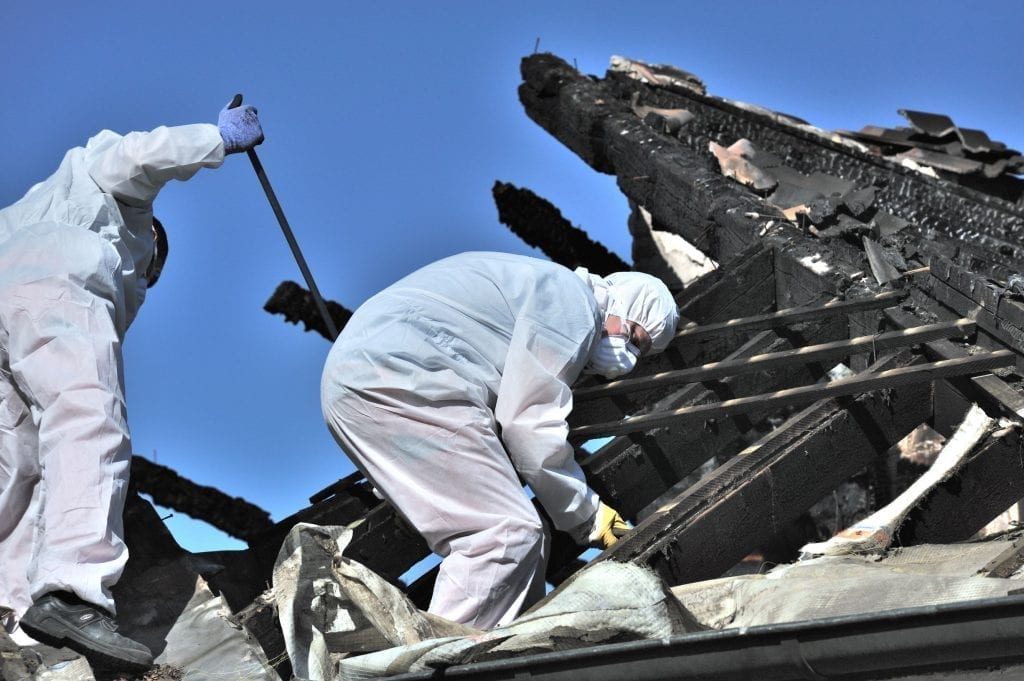
Asbestos removal and surveys from the same licensed crew, on the same contract.
-
 SES Asbestos
Asbestos removal
Roofs, ceilings, floors, pipes, cladding and full strip-outs. Class A friable and Class B bonded materials, residential to industrial. Find out more -
 SES Asbestos
Asbestos surveys
Management, refurbishment and demolition surveys by BOHS-certified surveyors with 10+ years’ experience. Plans you can tender on. Find out more
Renovating a pre-1980 building? Test before you sand.
Send a photo of the surface and the address - we will book a test and price the removal if lead is present.